Easy Maze Backgrounds: Elevating Digital Projects with Intricate Patterns
In the crowded landscape of digital assets, finding a resource that balances visual complexity with ease of use is rare. Easy Maze Backgrounds represents a specific niche of design elements that solve a fundamental problem for creators: how to add depth and texture to a project without overwhelming the main content. This collection is not a typeface, but rather a set of high-quality graphic patterns designed to serve as the foundation for a wide array of creative work. Understanding its specific characteristics and optimal applications can significantly streamline your design workflow and enhance the final output.
Visual Characteristics and Design Appeal
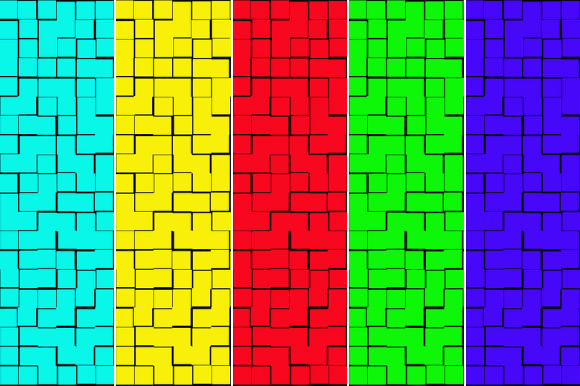
At its core, Easy Maze Backgrounds is a collection of intricate, labyrinthine patterns. The visual personality is one of intellectual engagement, order, and subtle complexity. Unlike chaotic textures or loud geometric shapes, maze patterns evoke a sense of journey, puzzle-solving, and interconnectedness. The lines are typically clean and uniform, creating a rhythm that feels both structured and organic. This style sits comfortably between modern minimalism and detailed illustration, offering a versatile middle ground. The overall appeal lies in its ability to suggest depth and movement without competing for attention, making it a sophisticated choice for projects that require a smart, polished backdrop.
The provided files are 12x12 inches in RGB color mode, a specification that speaks directly to digital-first workflows. This size is ideal for creating seamless tiling across large formats like website backgrounds, presentation slides, or social media banners. The RGB color mode ensures vibrant and accurate color reproduction on screens, which is crucial for any project destined for digital viewing, from a blog header to a mobile app interface.
Strategic Applications Across Industries
The true value of Easy Maze Backgrounds is unlocked when matched with the right project. For designers and brand strategists, these patterns can form the cornerstone of a brand identity for companies in the tech, consulting, finance, or education sectors. The maze metaphor subtly communicates problem-solving, strategy, and connectivity. Imagine a consulting firm's presentation deck using a faint, light-gray maze as a slide background—it adds a layer of visual interest and reinforces their core service offering without a single word.
For marketers and content creators, these backgrounds are a practical tool for social media graphics and web design. A slightly textured maze can make a quote card or promotional banner stand out in a crowded feed, adding professionalism and a unique aesthetic. In editorial design, such as for a magazine layout or a blog about technology or psychology, a maze background can be used to frame pull quotes or section dividers, enhancing the reader's experience through thoughtful visual hierarchy.
Entrepreneurs and small business owners will find them particularly useful for packaging design and logo design elements. A product label for a puzzle game, a brain-teaser book, or even a specialty coffee brand could use a maze pattern to great effect, creating instant shelf appeal and a memorable unboxing experience. The patterns are excellent design assets for creating mockups, website hero images, or digital product covers that need to look polished and custom-made.
Practical Guidance for Implementation
Choosing to use Easy Maze Backgrounds is just the first step. To ensure it elevates your project, consider a few practical points. First, evaluate the project's tone. Does the theme of navigation, complexity, or interconnectedness align with your message? A maze background for a children's nursery website might feel overly cerebral, but for a security software startup, it could be perfect.
Next, focus on readability. This is paramount. The maze pattern must never interfere with the legibility of overlaid text. This is achieved through careful manipulation of opacity, color, and scale. A common technique is to use the background at a very low opacity (10-30%) or to apply a solid color overlay, allowing the texture to show through subtly. Always test your text in various sizes—from headlines to small body copy—on top of the background to ensure clarity.
Considering font pairing is also essential. Because maze backgrounds are detailed, they pair best with clean, simple typefaces. A sans serif font with good weight contrast often works beautifully, providing a clear, modern counterpoint to the intricate background. A serif font can also work if it's a highly legible, contemporary design. Avoid pairing with overly decorative script fonts or handwritten fonts, as the combination can become visually cluttered and difficult to read.
Finally, review the commercial licensing. As these are premium font assets (in the broader category of premium design resources), understanding the license is crucial for any commercial work. Ensure the license covers your intended use, whether for a client project, a product for sale, or digital advertising. Proper licensing protects your work and respects the creator's effort.
In practice, start by downloading the five JPEG files. Experiment in your design software by placing the background behind your main elements. Adjust the blending mode (like Multiply or Soft Light) and opacity to integrate it seamlessly into your layout. Use the 12x12 inch size to your advantage by tiling it for larger canvases. By treating Easy Maze Backgrounds as a flexible tool rather than a rigid element, you can unlock its potential to add a layer of sophistication, narrative, and visual polish to a vast spectrum of creative and commercial projects.