Wooden Backgrounds: Texture and Warmth for Digital Projects
Finding the right visual foundation for a project often feels like searching for a needle in a haystack. You need something that adds character without overwhelming the message, that feels authentic without looking dated. That’s where a set of high-quality textures can completely change your workflow. Imagine having access to the rich, tactile feel of natural wood grain, ready to drop into any design. This collection provides exactly that—a versatile toolkit for adding depth and warmth.
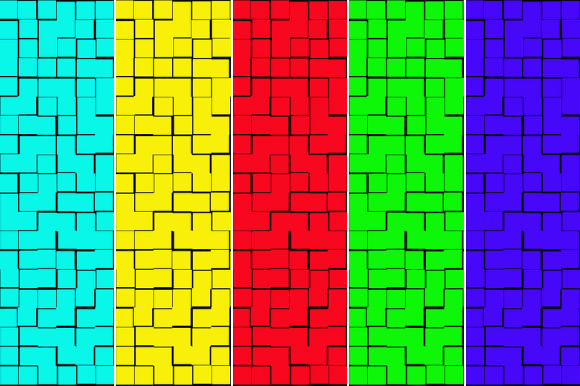
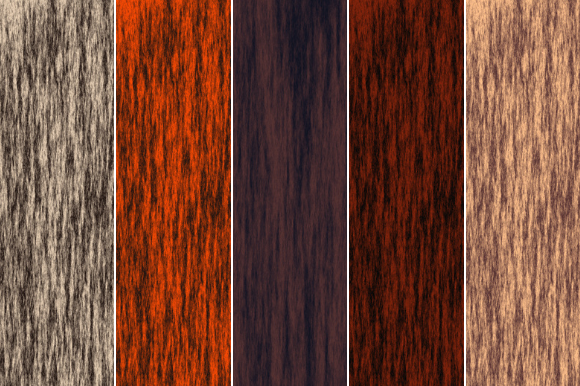
You will receive five JPEG files, each sized at 12X12 inches in RGB color mode. This standard dimension makes them perfectly suited for a wide range of digital applications, from social media templates to website banners. The RGB color space ensures vibrant, screen-optimized colors, which is essential for any digital-first project. These aren't just simple patterns; they are carefully crafted assets designed to integrate seamlessly into professional workflows.
The Visual Character: More Than Just a Surface
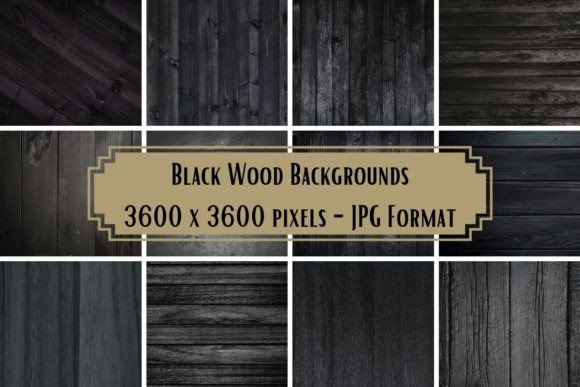
What makes these particular Wooden Backgrounds stand out is their nuanced personality. They avoid the overly polished, artificial look that can make digital designs feel sterile. Instead, they offer a spectrum of styles. You might find one with a pronounced, rustic grain that speaks of heritage and craftsmanship. Another might feature a smoother, lighter pine with subtle knots, suggesting a clean, Scandinavian-inspired aesthetic. There's a warmth here that's hard to replicate with solid colors or generic gradients.
This texture has an inherent ability to ground a composition. It provides a stable, organic backdrop that can make foreground elements—whether text, a product image, or a logo—pop with greater clarity. The visual noise is controlled and purposeful. It adds interest without creating chaos, making it a powerful tool for establishing a specific mood. Think of it as the visual equivalent of a warm, welcoming room; it sets the stage for everything else that happens within it.
Practical Applications Across Creative Fields
The utility of a strong texture set spans nearly every creative discipline. For graphic designers and brand strategists, these backgrounds are a secret weapon for building a cohesive brand identity. A consistent wood texture can become a recognizable element across a company's logo design, website, and packaging design. It communicates values of authenticity, durability, and natural quality. A coffee roaster, a artisan furniture maker, or a boutique outdoor brand could build an entire visual language around this single asset.
Content creators and marketers will find endless uses in the digital space. These files are ideal for creating engaging social media graphics. Use them as the backdrop for quote cards, promotional announcements, or Instagram story templates. The texture instantly elevates a post, making it look more polished and intentional. For bloggers and publishers, they serve as excellent featured images or section dividers in long-form content, adding visual interest that keeps readers scrolling.
Even in web design, where clean lines often dominate, a strategic touch of wood texture can add warmth to a hero section or a sidebar. It works beautifully for websites related to real estate, home decor, food, and lifestyle. The key is using it with intention. Paired with a clean sans serif font for body text and a complementary serif font or script font for headings, the wood texture provides the perfect balance between organic warmth and modern readability.
Integrating Texture with Modern Typography
The real magic happens when you combine these backgrounds with thoughtful typography. A premium font choice can either contrast with or complement the texture. For a high-end, rustic feel, pairing the wood grain with an elegant serif font creates a beautiful tension between the raw and the refined. Conversely, using a bold, geometric sans serif font can create a striking, contemporary look where the texture softens the potential coldness of the typeface.
Don't overlook the power of a handwritten font or a flowing script font. These can add a personal, human touch that resonates deeply with the organic nature of the wood. Imagine a wedding invitation suite or a bakery's menu design using this combination. The result feels bespoke and personal. Always test your font pairing directly on the background. Ensure there is sufficient contrast for readability. You may need to add a subtle drop shadow, a semi-transparent overlay, or a soft vignette to your text elements to guarantee they remain legible against the grain.
Making the Most of Your Asset Library
Treat these JPEG files as foundational design assets. Because they are delivered in a standard, high-resolution format, you can manipulate them extensively. Crop into different sections to get unique compositions from a single file. Adjust the hue and saturation in your editing software to create warmer, cooler, darker, or lighter variations to suit specific project palettes. This flexibility multiplies the value of the initial set significantly.
Before finalizing a design, always consider the end use. For print projects like business cards or brochures, while these are RGB files, you can convert them to CMYK, but be sure to check color shifts. For digital use, they are ready to go. Whether you're a small business owner creating your first set of marketing materials or a seasoned designer looking for fresh resources, a library of quality textures is indispensable. This particular collection of Wooden Backgrounds offers a practical, versatile, and visually rich starting point for countless creative endeavors. It’s about adding a layer of real-world texture to your digital canvas, creating designs that feel more human, more engaging, and ultimately more effective.