Geometric Precision: Elevate Projects with Squares and Lines Backgrounds
In the world of digital design, the background is often the silent hero. It sets the stage, defines the mood, and provides the necessary contrast for foreground elements to shine. Among the most versatile and visually compelling options available today are Squares and Lines Backgrounds. These aren't just simple patterns; they are carefully constructed compositions that bring a sense of order, modernity, and sophisticated energy to any creative project. Moving beyond basic textures, these backgrounds utilize the fundamental principles of geometry to create a dynamic and engaging visual foundation.
The Anatomy of a Modern Aesthetic
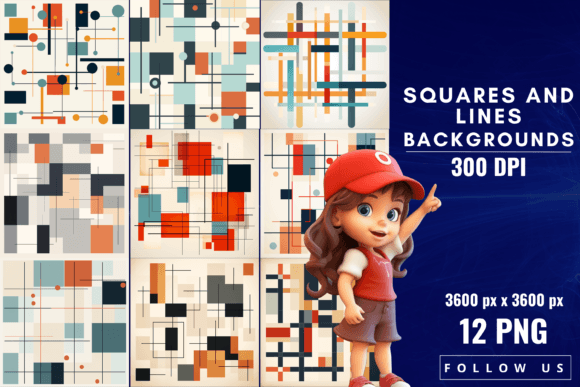
At its core, the appeal of Squares and Lines Backgrounds lies in their inherent balance and clarity. The patterns are built on a grid of intersecting lines and repeating squares, but the magic is in the variation. You might find designs with crisp, thin lines for a subtle, technical feel, or bold, thick outlines that command attention. Some backgrounds play with opacity and layering, creating a sense of depth that draws the eye inward. The color palettes range from stark monochrome to vibrant, multi-hued arrangements, allowing for incredible versatility. This style of design asset doesn't just fill space; it communicates a personality of precision, innovation, and forward-thinking creativity. It’s a visual language that speaks of structure and possibility.
Where do these geometric patterns truly excel? Consider their application across various creative fields:
- Digital and Web Design: They make for excellent website backgrounds, particularly for portfolios, tech startups, or agency sites where a clean, modern look is paramount. They provide visual interest without overwhelming text or key calls to action. For social media graphics, they create a consistent and recognizable brand identity, especially for posts, stories, and profile banners.
- Branding and Marketing: When developing a brand identity, consistency is key. Squares and Lines Backgrounds can be integrated into business cards, letterheads, presentation decks, and email templates. They lend a professional and polished appearance to marketing materials, helping a brand stand out as organized and contemporary. They are particularly effective for companies in architecture, engineering, finance, or any field that values clarity and structure.
- Publishing and Editorial Work: In editorial design, these backgrounds can frame articles, highlight pull quotes, or serve as a foundation for chapter openers in both digital and print formats. They add a layer of visual sophistication to magazine layouts, book covers, and report designs, making complex information feel more accessible and visually engaging.
- Product and Packaging Design: For packaging design, especially for products targeting a design-savvy audience, these backgrounds can create a striking shelf presence. They work well for tech gadgets, stationery, or lifestyle brands that want to convey a message of modern elegance and thoughtful design.
Integrating Geometry into Your Creative Workflow
Choosing the right background is just the first step. To effectively incorporate Squares and Lines Backgrounds into your work, a strategic approach is necessary. First, consider the project's overall tone. A background with fine, closely-spaced lines might suit a minimalist, corporate project, while a pattern with larger squares and bolder lines could be perfect for a vibrant poster or event flyer. Always test how your primary content—whether it's a logo, headline, or body copy—sits on top of the pattern. The background should enhance, not compete with, your core message.
Font pairing is a critical consideration. The clean, geometric nature of these backgrounds pairs exceptionally well with certain typeface families. A strong, clean sans serif font often creates a harmonious and modern look, allowing the pattern to complement the typography seamlessly. For a touch of contrast and elegance, a classic serif font can work beautifully, the organic curves of the letters playing against the rigid geometry of the background. Avoid overly decorative script fonts or handwritten fonts unless used sparingly for emphasis, as they can clash with the structured nature of the pattern and reduce readability.
Practical application also involves technical checks. Always ensure the background files you use are high-resolution, especially for print projects like packaging design or large-format posters. Blurry or pixelated patterns will undermine the professionalism of your work. When working with digital projects, optimize the file size for fast loading times without sacrificing visual quality. Furthermore, if you are using these backgrounds for commercial purposes, such as in client work or for products you sell, it’s imperative to verify the licensing terms. Many premium font and asset providers offer clear commercial licenses, ensuring you have the legal right to use the designs in your projects. Taking these steps ensures that your use of Squares and Lines Backgrounds not only looks fantastic but is also technically sound and legally compliant.
Ultimately, these backgrounds are more than just decorative elements. They are powerful design assets that can influence visual hierarchy, guide the viewer's eye, and reinforce a brand's core message. By providing a structured yet dynamic canvas, they help create a sense of consistency and professionalism that builds trust with your audience. Whether you're crafting a logo design, developing a website, or creating a social media campaign, the intelligent use of geometric patterns can elevate your work from ordinary to exceptional. Embrace the clean lines and balanced shapes, and let your creativity flourish on a foundation of geometric wonder.