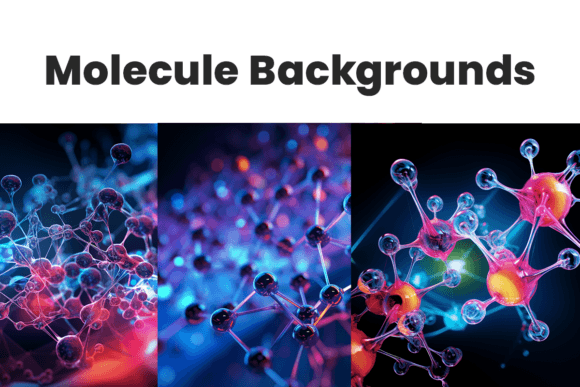
3 Futuristic Molecular Backgrounds: Where Science Meets Digital Art
There's a particular kind of energy in visuals that feel both intelligent and alive. You see it in the clean lines of a tech startup's landing page, the immersive backdrop of a science documentary, or the striking cover of a modern biology textbook. This is the space where 3 Futuristic Molecular Backgrounds confidently exists. These aren't just decorative patterns; they are AI-generated, square-sized (1024x1024px) visual narratives that translate complex molecular biology into breathtaking, usable art. Each background presents a unique interpretation of our microscopic world, rendered with a sleek, forward-thinking aesthetic that feels less like a classroom diagram and more like a glimpse into a beautifully engineered future.
The visual personality of these backgrounds is one of precision, depth, and sophisticated wonder. Imagine intricate lattices of glowing atoms, interconnected by delicate bonds that pulse with subtle light. Think of double helixes twisting in a void of deep space, their forms outlined in cool blues and electric whites. Or consider clusters of protein structures, rendered not as flat charts but as dynamic, three-dimensional landscapes with a sense of weight and movement. The style is inherently modern, leveraging the power of generative AI to create compositions that are both scientifically resonant and artistically captivating. The color palettes often lean into a spectrum of cool cyans, magentas, and luminous whites against dark backgrounds, offering a high-contrast look that commands attention without overwhelming the content it supports. This is premium font territory for visual assets—where every pixel serves both an aesthetic and a conceptual purpose.
Transforming Digital and Editorial Design
So, where does a visual asset with this specific blend of scientific clarity and futuristic flair truly shine? Its applications are broader than you might initially think, especially for creators looking to inject a sense of innovation and credibility into their work.
For digital and web design, these backgrounds are a powerhouse. They make exceptional hero sections for websites in the biotech, pharmaceutical, educational technology, or clean energy sectors. The square format is perfectly optimized for social media graphics—think LinkedIn banners, Instagram post backgrounds, or Facebook cover images that stop the scroll. A startup can use a consistent molecular background across its social platforms to build immediate brand recognition, communicating a core identity rooted in science and progress without a single word. When used behind a bold, clean sans serif font for headlines, the effect is both professional and visually stunning, creating a clear hierarchy where the text floats confidently over the detailed imagery.
Move into editorial and publishing design, and the value multiplies. A blog post about CRISPR technology, a magazine feature on neurotechnology, or the chapter openers of an ebook on futurism can be instantly elevated. The background provides context and mood, setting a sophisticated tone that engages readers on a visual level before they even parse the first sentence. It’s a form of modern typography in a broader sense—the artful pairing of image and type. Pair one of these backgrounds with a refined serif font for body text to balance the futuristic imagery with a touch of classic readability, or use a geometric display font for titles to double down on the technical aesthetic.
Building a Forward-Thinking Brand Identity
For entrepreneurs and marketers, the strategic use of such imagery can significantly influence brand perception. Incorporating 3 Futuristic Molecular Backgrounds into your brand identity toolkit sends a clear message: this brand is intelligent, innovative, and detail-oriented. It’s a visual shorthand for expertise and a forward-looking mindset.
Consider its role in packaging design for a line of advanced skincare, nootropics, or specialty supplements. The molecular motif directly relates to the product's scientific foundation, lending an air of legitimacy and cutting-edge research. In logo design, a simplified element derived from one of these backgrounds could form the basis of a mark that is both unique and deeply meaningful to the brand's mission. For commercial font and asset licensing, this is a critical consideration—the ability to use these visuals across multiple touchpoints (website, product packaging, investor presentations, social ads) ensures brand consistency, which is fundamental to building recognition and trust.
The key to effective implementation is intentionality. Don't just use them because they look cool. Use them because they tell the right story. Ask yourself: Does this molecular pattern mirror the complexity of my service? Does this color scheme align with my existing palette? Does this level of detail complement or compete with my primary typeface? The best projects will be those where the background feels like an integrated part of the design system, not just a pretty wallpaper.
A Practical Guide to Using These Assets
Integrating these design assets into your workflow requires a thoughtful approach to ensure they enhance, rather than hinder, your project's goals.
Evaluate the Fit: First, scrutinize the visual personality of each of the three backgrounds. One may feel more organic and fluid, suggesting growth and biology. Another might be more geometric and lattice-like, evoking precision engineering and data. Choose the one whose "personality" best aligns with your project's message. This is similar to choosing a creative font—the style must match the context.
Master the Pairing: Font pairing is where many designs succeed or fail. These backgrounds are visually complex, so your typography needs to anchor the design. A general rule is to pair complexity with simplicity. A bold, clean sans serif font for headlines and a highly legible serif font or neutral sans for body copy often works beautifully. Avoid overly ornate script fonts or handwritten fonts as they can clash with the technical aesthetic and hurt readability. Always test your text over the background at various sizes to ensure sufficient contrast.
Consider the Hierarchy: Use the background's inherent flow to guide the viewer's eye. You might place your main headline in a less detailed area of the image, or use a semi-transparent overlay to create a dedicated text zone. The goal is to establish a clear visual hierarchy where the background supports the message without competing for attention.
Check the License: Before using these in any commercial project, verify the licensing terms. Understand what is permitted regarding modifications, distribution, and use in products for sale. This due diligence protects you and respects the asset's creation.
Ultimately, 3 Futuristic Molecular Backgrounds offer more than just a pretty picture. They provide a bridge between the intricate world of science and the demands of contemporary design. For the designer building a tech brand, the marketer crafting a campaign for an innovative product, or the publisher creating content on the edge of discovery, these assets offer a powerful tool to communicate intelligence, vision, and sophistication. By applying them with strategic intent and a keen eye for typographic balance, you can create work that feels not only visually stunning but also conceptually grounded and deeply engaging.