Yellow Brick Backgrounds: A Designer's Guide to This Creative Asset
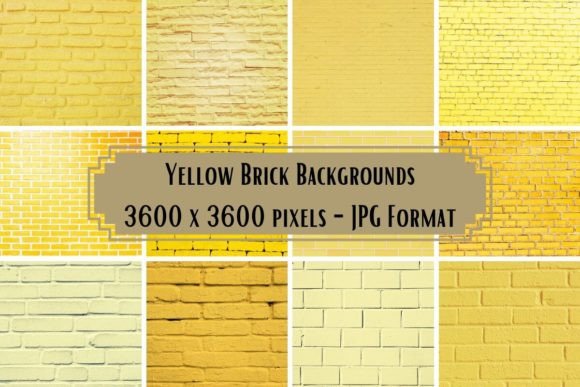
There's a certain warmth and tactile quality that a well-chosen background can bring to a project. It sets the stage, influences the mood, and can transform a flat digital canvas into something with depth and character. The Yellow Brick Backgrounds set is a prime example of a design asset that offers this kind of transformative potential. At its core, it's a collection of twelve high-resolution digital papers, each featuring a pattern reminiscent of classic, sun-warmed bricks rendered in various shades of cheerful yellow. The aesthetic leans into a rustic, handmade, and slightly vintage feel, making it a versatile tool for creators seeking to inject personality and a sense of grounded authenticity into their work.
Understanding the Visual Language and Appeal
What makes this particular set of backgrounds effective isn't just the color, but the texture and implied materiality. The patterns vary from clean, uniform brick arrangements to more weathered, irregular layouts that suggest age and use. This visual personality is crucial. It doesn't scream for attention like a bold display font might; instead, it provides a stable, engaging foundation. The yellow palette itself is energetic without being aggressive, evoking feelings of optimism, creativity, and approachability. When used thoughtfully, these backgrounds can subtly influence the perception of a brand or project, suggesting it is creative, friendly, and dependable.
The true strength of the Yellow Brick Backgrounds lies in their application across a spectrum of projects. For scrapbooking and card making, the textures add instant dimension and a crafted feel, eliminating the need for complex layering. Invitations for casual events, garden parties, or rustic weddings gain a thematic cohesion. Beyond personal craft, entrepreneurs and small business owners can leverage these backgrounds in packaging design for artisanal goods, in social media graphics to create a consistent brand environment, or as a website backdrop for a blog focused on DIY, home, or lifestyle content. They function exceptionally well as a layer in editorial design, providing visual interest behind pull quotes or in chapter headers without competing with the primary typography.
Practical Integration: From Concept to Final Design
Choosing to use a textured background like this is the first step. The next, more critical step, is integration. The key is balance. A background with this much inherent character requires careful consideration of the foreground elements—your text, logos, and imagery. This is where understanding font pairing and visual hierarchy becomes essential. A bold, clean sans serif font for headlines can provide a strong contrast to the organic brick texture, ensuring readability. For body text, a simple, highly legible serif or sans serif at a comfortable size is non-negotiable. You might pair it with a subtle script font or handwritten font for accent text to enhance the personal, artisanal vibe the background establishes.
Consider the context of use. In a logo design scenario, the background would likely be used sparingly—perhaps as a fill for a logo mark on a business card or as a secondary element in a brand pattern library, not as the main backdrop for the logotype itself. In web design, a full-page brick background might be overwhelming; using it as a header image, a sidebar strip, or behind a featured content module is more effective. For social media graphics, these backgrounds can create a recognizable series of posts, building brand consistency across a feed. Always test your text and graphics against the background at the actual size they will be viewed. Check for adequate contrast and ensure no critical information gets lost in the texture's grooves and variations.
A Note on Licensing and Asset Management
As a digital product, the Yellow Brick Backgrounds set comes with specific terms that govern its use. Typically, assets like these are licensed for both personal and commercial projects, but it is imperative to review the included license agreement. Understanding whether the license covers unlimited projects, print-on-demand services, or modified derivative works is part of professional practice. Treating your design assets—including premium fonts, textures, and graphics like these—with the same rigor as your other business tools ensures compliance and protects your work. Organize them clearly in your asset library, note the license terms, and you'll have a reliable resource ready for when a project's creative brief calls for a touch of textured warmth and optimistic energy.
Ultimately, the Yellow Brick Backgrounds are more than just decorative papers. They are a design asset that can help tell a story. They speak of creativity, approachability, and a hands-on quality. Used with intention and paired with complementary modern typography, they can elevate a wide array of projects, helping to build a cohesive and engaging brand identity or simply making a personal craft project feel more polished and complete. The value lies not in the asset alone, but in how a skilled creator chooses to deploy it.