Unleashing Geometric Elegance with Art Deco Backgrounds
There is a distinct allure to the 1920s that never seems to fade. It was an era defined by luxury, technological breakthroughs, and a fearless embrace of geometric abstraction. In the world of visual design, we often look back at this period to find inspiration for modern luxury and sophistication. If you are a designer, entrepreneur, or creative professional looking to inject that specific brand of glamour into your work, you need more than just a standard serif font or a generic stock photo. You need foundational design assets that set the stage for the entire composition. This is where the specific utility of high-quality Art Deco backgrounds becomes undeniable.
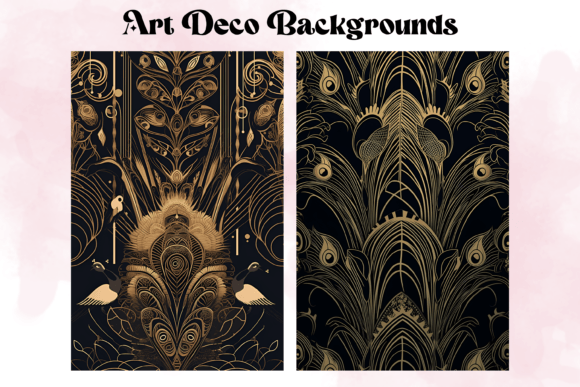
The collection in question offers a specialized toolkit for those who understand the power of atmosphere. It includes 11 distinct Art Deco backgrounds, rendered at a massive 3584x5376px resolution. These are not just decorative afterthoughts; they are 300 DPI, PNG files with transparent backgrounds. For the uninitiated, the transparent background is the game-changer here. It allows you to layer these intricate geometric patterns over any color, texture, or photograph without the hassle of masking or dealing with jagged white edges. Whether you are working on digital publishing, physical apparel, or sublimation printing, this technical specification ensures your final product looks professional and seamlessly integrated.
The Anatomy of the Art Deco Aesthetic
To effectively use these assets, it helps to understand the visual language they speak. Art Deco is not merely "old-fashioned"; it is a specific style of visual arts that took the world by storm between the mid-1920s and the early 1930s. It is characterized by rich colors, bold geometric shapes, and lavish ornamentation. When you look at these backgrounds, you will likely see the influence of the machine age—sunbursts, symmetrical arrangements, stepped forms, and sweeping curves.
The "personality" of these backgrounds is one of order, luxury, and confidence. Unlike the chaotic, organic feel of a handwritten font or the raw energy of a grunge texture, Art Deco implies structure. It suggests that the brand or project using it values precision and high-end aesthetics. This style bridges the gap between the highly decorative Art Nouveau that preceded it and the clean modernism that followed. It retains the elegance of the past while embracing the industrial future. For a modern audience, this translates to a sense of timelessness. It feels vintage, yet incredibly relevant in an age where brands are fighting to stand out with sophisticated, curated visual identities.
Practical Applications: From Digital to Physical
The versatility of this collection is one of its strongest selling points. Because these are high-resolution assets suitable for both screen and print, the application possibilities are vast. Here is how different segments of the creative market can leverage these Art Deco backgrounds:
- Apparel and Fabric Design: If you are in the fashion industry, specifically with a boutique or vintage-inspired line, these backgrounds are perfect for sublimation printing. Imagine a silk scarf or a lining for a blazer featuring a subtle, gold-toned geometric pattern. The high resolution ensures that the lines remain crisp even when printed on large fabric yardage.
- Packaging and Branding: For small business owners creating product packaging—think artisanal chocolates, premium cosmetics, or high-end spirits—these backgrounds provide an instant visual cue of quality. Wrapping a box or designing a label with these patterns immediately elevates the perceived value of the product inside.
- Digital Marketing and Web Design: Bloggers and content creators can use these as website headers, hero image overlays, or backgrounds for quote graphics on social media. In a sea of flat, minimalist design that dominates the current web, an Art Deco pattern can stop the scroll. It adds texture and depth that flat colors simply cannot achieve.
- Stationery and Events: The wedding and event planning industry relies heavily on this aesthetic. These files are ideal for creating invitation suites, RSVP cards, and menus for a Gatsby-themed event or a sophisticated gala. Similarly, for scrapbooking and card-making, these patterns offer a ready-made elegant foundation.
Strategic Design: Integrating Art Deco into Brand Identity
Using a strong visual element like an Art Deco background requires a bit of strategic thinking to ensure it enhances rather than overwhelms your message. As a design asset, it serves as a supporting actor, not necessarily the lead, unless you are creating a pattern-focused design like a tote bag or wrapping paper.
Visual Hierarchy and Readability
Because Art Deco patterns are often intricate and high-contrast, you must be mindful of text placement. If you are designing a poster or a social media graphic, the background should not compete with your typography. A common technique is to use a semi-transparent overlay (like a dark vignette or a color wash) over the background to create a "safe zone" for your text. This ensures your sans serif or serif font remains legible against the complex geometry. The goal is to use the background to frame your content, not bury it.
Font Pairing and Typography
Choosing the right typeface to pair with these backgrounds is crucial. You generally want to avoid using another highly stylized display font or script font, as this will create visual clutter. Instead, opt for clean, modern typography. A geometric sans-serif font often pairs beautifully with Art Deco patterns because it echoes the structural lines of the background without adding unnecessary ornamentation. Alternatively, a classic, bold serif font can reinforce the vintage luxury feel. The contrast between the busy background and the clean text creates a professional balance that signals competence to your audience.
Color Theory and Mood
Since these backgrounds come with transparent backgrounds, you have complete control over the color palette. This is where you can really tailor the asset to specific brand guidelines. For a high-contrast, energetic look, place these patterns over vibrant jewel tones like emerald green or sapphire blue. For a softer, more romantic application (such as baby shower invitations or feminine branding), overlay them on pastels or metallics like rose gold and champagne. The transparency allows the background to adapt to the mood you are trying to set, making it a flexible component of your brand identity.
Making the Most of Your Asset Library
For the entrepreneur or crafter, investing in high-quality assets like this collection is about efficiency and scalability. Having a library of 11 distinct patterns allows for variety within a cohesive theme. You can use one pattern for your primary branding and another for your secondary materials, maintaining a consistent visual language across different touchpoints—from your website to your packaging.
When evaluating this collection for your needs, consider the specific geometries offered. Does the project call for the sharp lines of a skyscraper motif, or the softer, radiating lines of a sunburst? Because the files are 300 DPI, they are robust enough for commercial printing. This means you can confidently use them for stickers, mugs, and print-on-demand products without worrying about pixelation or quality loss.
Ultimately, Art Deco backgrounds are more than just decorative fills. They are a stylistic shorthand for elegance, structure, and a golden age of design. By incorporating these assets into your workflow, you are not just decorating a page; you are invoking a feeling of premium quality that resonates with a wide audience. Whether you are refreshing a blog, launching a product line, or designing a one-off event invitation, this collection provides the geometric backbone needed to create something truly memorable.