Red Wood Backgrounds: Warmth and Authenticity for Modern Design
There's an undeniable pull toward materials that feel real, textured, and grounded in nature. In a digital landscape often dominated by sleek gradients and minimalist flat colors, the rich, organic character of wood offers a powerful visual anchor. This is precisely where a well-curated set of Red Wood Backgrounds becomes an invaluable design asset. It’s not just a collection of images; it’s a toolkit for injecting instant warmth, authenticity, and a touch of rustic sophistication into a wide array of creative projects.
The Visual Character of Red Wood
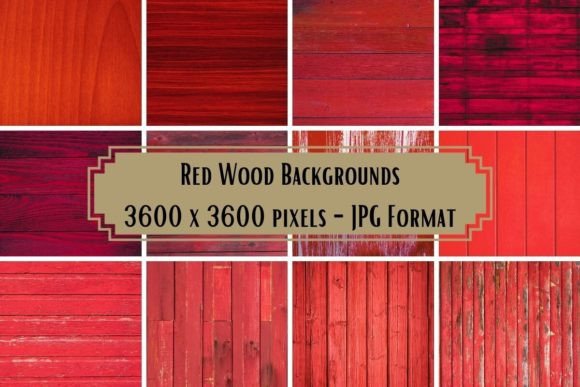
Imagine the deep, warm tones of aged cherry, the vibrant streaks of mahogany, or the subtle, rosy hue of cedar. The visual personality of red wood is multifaceted. It can convey tradition and heritage, evoking the feel of a classic library or a well-crafted heirloom. Simultaneously, it can feel modern and earthy, perfect for brands that champion sustainability, craftsmanship, and natural materials. The grain patterns, knots, and color variations within each background provide a level of depth and interest that flat colors simply cannot match. This inherent texture creates a subtle visual hierarchy, making it an excellent foundation for layering text, graphics, and other design elements without the background feeling sterile or overwhelming.
Where Red Wood Backgrounds Truly Shine
The applications for this type of digital paper extend far beyond personal scrapbooking. For entrepreneurs and small business owners, these backgrounds are a secret weapon for brand identity. A coffee roaster, a boutique furniture maker, a winery, or a artisanal food producer can use them to create a logo design mockup, website hero image, or product packaging that immediately communicates quality, warmth, and a handcrafted ethos. The texture supports the brand story before a single word is read.
For marketers and content creators, red wood backgrounds are a versatile tool for social media graphics. They provide a visually engaging backdrop for quotes, announcements, or promotional posts that stops the scroll. The warmth of the wood can make a call-to-action feel more inviting or a testimonial more trustworthy. In editorial design, such as for a blog or digital magazine, they can be used for section dividers, pull-quote backgrounds, or featured image frames, adding a consistent, professional touch that enhances reader engagement.
The practicality for print and physical projects is equally strong. The provided specifications—12" x 12" (3600x3600 pixels) at 300 dpi—are industry-standard for high-quality output. This makes them perfect for designing invitations, greeting cards, and scrapbook layouts where print clarity is non-negotiable. The high resolution ensures that the fine details of the wood grain remain sharp and beautiful, whether printed on a home printer or through a professional service.
Practical Guidance for Using These Backgrounds
Integrating a textured background like this requires a thoughtful approach to maintain readability and visual hierarchy. The key is contrast. Pair the rich, detailed background with clean, simple typography. A bold sans serif font for headlines or a clean serif font for body text will stand out crisply against the organic patterns. Avoid overly ornate script fonts or handwritten fonts for large blocks of text, as they can become difficult to read; save them for short, impactful accents.
Consider the font pairing as a conversation. The red wood background sets a tone—earthy, warm, possibly vintage. Your typeface choices should complement that, not fight it. A modern, geometric sans serif can create an interesting contrast, making the design feel fresh and intentional. A classic serif can lean into the traditional feel. Always test your text overlays at the final intended size to ensure legibility.
Evaluating project fit is about matching mood. Ask yourself: does this project benefit from a sense of authenticity, warmth, or craftsmanship? If the answer is yes, a red wood background is likely a strong candidate. For a sleek, ultra-modern tech startup, it might not align. But for a local bakery, a wedding stationery suite, a nature-focused blog, or a podcast about history, it’s a perfect match.
Finally, understanding the licensing is crucial for commercial use. A reputable premium font or design asset will come with a clear license that outlines permitted uses, such as for client projects, merchandise, or digital products. Always review the license terms to ensure your intended use—whether for a personal blog or a commercial product line—is fully covered. This set of 12 JPGs provides a solid foundation of variety, allowing you to select the perfect shade and grain pattern for each specific application, ensuring your designs feel cohesive yet dynamic.