Cosmic Geometry: Using Moonscape Backgrounds Creatively
There is a specific challenge in design that involves capturing the infinite, chaotic beauty of the universe and containing it within a structured, professional layout. We often see space themes that are either too abstract or too realistic, making them difficult to use in corporate or commercial settings. This is where the concept of Geometric Moonscape Backgrounds offers a compelling solution. By blending the organic mystery of celestial bodies with the sharp precision of geometric patterns, you create a visual language that feels both futuristic and grounded.
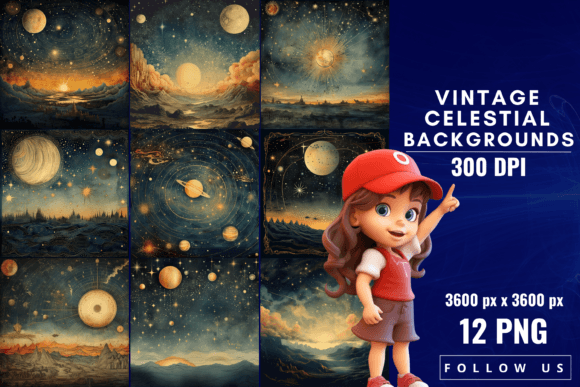
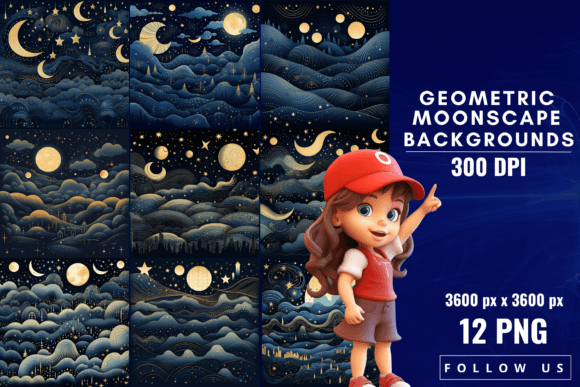
I have been exploring this style for recent branding projects, specifically for tech startups and wellness apps, and the results are fascinating. These backgrounds are not just "pretty space pictures." They are complex design assets that manipulate depth and light. Imagine a crescent moon rendered not as a photograph, but as a series of intersecting vectors and low-poly shapes, set against a deep indigo void. It maintains the allure of the night sky but strips away the noise, leaving you with a clean, high-impact texture.
The Visual Language of Structured Space
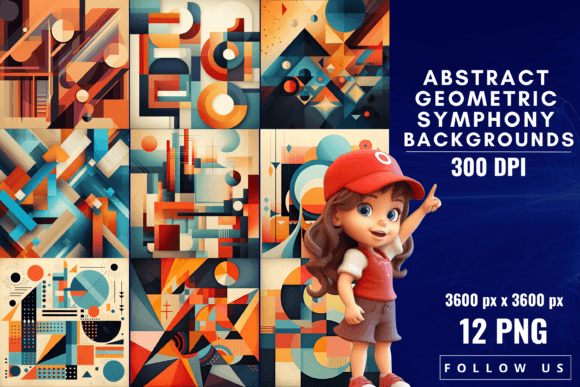
When we talk about the "personality" of Geometric Moonscape Backgrounds, we are looking at a blend of two opposing forces: the mathematical and the mystical. Visually, this style is characterized by clean lines, halftone dots, wireframes, and polyhedrons that map out lunar surfaces. The color palettes usually lean toward deep blues, purples, blacks, and stark whites, though they can easily adapt to neon gradients for a cyberpunk aesthetic.
The appeal lies in the texture. Unlike a standard serif font or a clean sans serif font, which focuses on legibility, these backgrounds focus on atmosphere. They provide a sophisticated "noise" that adds depth to flat designs. For a brand identity, using these backgrounds signals innovation and forward-thinking. It suggests that the brand values both creativity (the moonscape) and order (the geometry). It is an excellent way to avoid the generic stock photo look that plagues so many corporate presentations.
Strategic Applications for Designers and Brands
Understanding where to deploy these backgrounds is key to their success. They are incredibly versatile, but they shine brightest in specific contexts. Here is how I recommend using them based on project type:
- Web Design and Hero Images: A geometric moonscape makes for a stunning hero section background. Because the patterns are often repetitive or modular, they tile well and load efficiently. They provide enough visual interest to hook a visitor without distracting from the primary display font used in the headline.
- Social Media Graphics: Platforms like Instagram and Pinterest favor high-contrast, scroll-stopping imagery. These backgrounds serve as the perfect canvas for quotes, event announcements, or podcast covers. They give a cohesive look to a content calendar, especially for creators in the science, tech, or astrology niches.
- Packaging Design: For physical products, particularly in the cosmetics, beverage, or electronics sectors, this aesthetic screams "premium." A matte black box with a subtle, geometric moon phase foil-stamped on it creates a tactile and visual experience that feels high-end.
- Editorial Design: Magazine spreads or e-book covers benefit from the "moody" vibe. It works exceptionally well as a backdrop for white text, creating a strong visual hierarchy where the text pops off the page.
Pairing Typography with Celestial Textures
A background is only as good as the typography that sits on top of it. This is where many designers stumble. Because Geometric Moonscape Backgrounds are visually complex, your typography needs to be bold enough to compete but clean enough to remain readable.
My practical advice is to contrast the sharp angles of the background with a slightly softer, yet bold, typeface. For instance, if your background features sharp triangulations, pairing it with a geometric sans serif font with rounded terminals (like Poppins or Nunito) creates a harmonious balance. Avoid using overly delicate script fonts or thin handwritten fonts for body copy, as the busy background will swallow them up. However, a thick, custom logo design mark can look incredible when masked over these textures.
When selecting these assets, always check the resolution. You want high-resolution visuals that don't pixelate when you zoom in on the geometric details. If you are using these for print, such as business cards or posters, the file needs to be at least 300 DPI to ensure the lines remain crisp.
Evaluating Fit and Licensing
Finally, let’s talk about the practical side of sourcing these files. When you find a set of Geometric Moonscape Backgrounds, evaluate the color variation. Do they offer light mode and dark mode versions? In modern web design, having a background that works for both is essential for accessibility.
Also, consider the "noise" level. Some backgrounds are very busy, while others are subtle. For text-heavy designs like blog headers or presentations, choose the subtle option. For posters or merchandise, the high-contrast, busy option works better. Always review the commercial font or asset licensing. If you are a small business owner using these for merchandise, you need a license that covers physical goods, not just digital use.
In conclusion, Geometric Moonscape Backgrounds are more than just a trend; they are a robust design tool. They bridge the gap between the organic wonder of the universe and the rigid structure of professional design. By using them thoughtfully, you can elevate a standard project into something that feels truly out of this world.