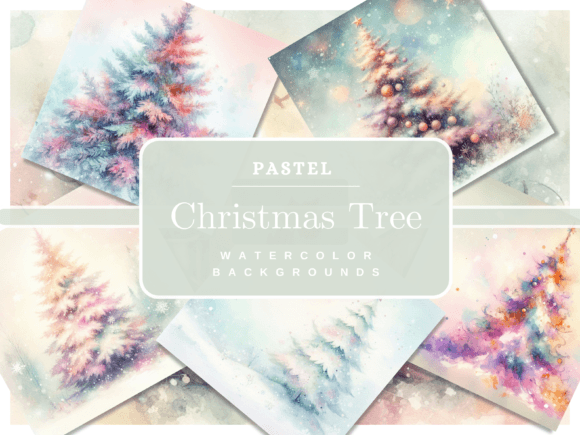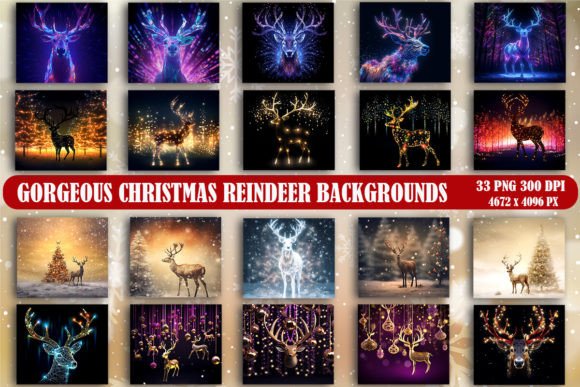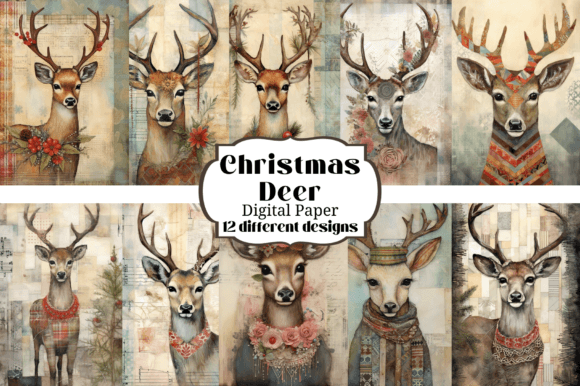
Christmas Pattern Backgrounds: Festive Design Assets
There is a specific kind of visual noise that defines the holiday season. It isn’t just about the lights or the tree; it is the texture of the celebration itself. When we talk about Christmas Pattern Backgrounds, we are discussing the architectural foundation of holiday design. These aren't just random doodles of Santa Claus; they are carefully curated design assets that create an immediate sense of place and time. For the serious creative professional, whether you are a graphic designer, a brand strategist, or a small business owner, these patterns serve as the canvas for your holiday messaging. They dictate the mood before a single word is read.
The visual personality of a high-quality Christmas pattern collection usually leans into a specific aesthetic. You will likely find a mix of classic motifs—think intricate holly leaves, stylized candy canes, and geometric snowflakes—paired with modern color palettes. The appeal lies in the balance between nostalgia and contemporary design. A good set of patterns avoids the kitschy, low-resolution clipart look of the early 2000s. Instead, it embraces modern typography sensibilities, ensuring that vector lines are clean, colors are vibrant yet sophisticated, and the repeat tiles are seamless. This is the difference between a design that looks "homemade" and one that looks professionally curated.
Strategic Applications for Branding and Marketing
For entrepreneurs and marketers, the utility of these backgrounds extends far beyond simple decoration. They are a critical component of brand identity during the fourth quarter. Consider the visual hierarchy of a holiday email campaign. If your product photography sits on top of a chaotic, poorly designed background, the product gets lost. However, if you utilize a subtle, textured Christmas pattern—perhaps a faint plaid or a minimalist geometric snowflake—you create depth without distraction. This is where the "less is more" principle of editorial design comes into play. The background supports the message; it does not scream over it.
In the realm of packaging design, these patterns are invaluable. Imagine a small business owner wrapping their goods for the season. Using a custom-printed tissue paper or a branded sticker featuring a cohesive Christmas pattern elevates the unboxing experience. It signals to the customer that care was taken with the details. This level of professionalism builds trust. It is a tactile extension of your digital presence. Whether you are selling artisanal candles or digital downloads, the physical presentation matters, and these design assets provide the necessary texture to make that happen.
Digital Real Estate: Web and Social Media
The digital landscape is incredibly crowded during the holidays. Standing out on platforms like Instagram, Pinterest, or LinkedIn requires more than just a "Happy Holidays" text overlay. You need visual consistency. Christmas Pattern Backgrounds allow you to create a cohesive grid or a consistent series of stories. For a blogger or content creator, using a specific pattern as the background for all December quotes or announcements creates a visual thread that followers can recognize instantly. This is the essence of visual branding—creating recognition through repetition and consistency.
When applying these patterns to web design, particularly for e-commerce sites, performance and aesthetics must coexist. A heavy, overly complex background image can slow down load times, which hurts SEO and user experience. The ideal pattern is optimized for web use, offering high resolution without the heavy file size. Furthermore, when using patterns behind text, readability is paramount. A busy, high-contrast pattern can make white text impossible to read. You must evaluate the contrast ratio. Often, the best practice is to lower the opacity of the pattern or apply a semi-transparent overlay to ensure your call-to-action buttons and headlines remain the focal point.
Practical Guidance for Creative Execution
Choosing the right pattern requires an understanding of visual weight. If you are designing a flyer for a corporate holiday party, you might opt for a sophisticated damask pattern in gold and navy. If you are designing a flyer for a children's charity event, a playful, hand-drawn style with bright reds and greens might be more appropriate. The "personality" of the pattern must align with the voice of the brand. This is where many designers make the mistake of defaulting to the most "Christmassy" option rather than the most strategic one.
Here are a few practical tips for integrating these assets into your workflow:
- Test for Scalability: Zoom in on the pattern. Do the lines remain crisp? A high-quality asset should work as a small icon and a large banner without pixelation.
- Evaluate Color Harmony: Look at how the pattern interacts with your brand’s primary colors. A red-and-green pattern might clash with a brand that uses orange and blue. Look for collections that offer customizable colorways or neutral options like gold, silver, or kraft paper textures.
- Check the License: This is non-negotiable for commercial use. If you are a small business owner creating merchandise to sell, or a designer creating a logo for a client, you must ensure the license covers commercial application. "Free for personal use" does not cover a product you intend to sell.
Finally, don't be afraid to break the rules of traditional Christmas design. Use a Christmas pattern as a texture in a logo design mockup to show a client how their brand might look during the season. Use them to create custom social media graphics that break the monotony of standard stock photos. The goal of these backgrounds is to spark creativity, not restrict it. They are the starting point for a visual conversation between your brand and your audience. When used with intention and an eye for detail, Christmas Pattern Backgrounds transform standard projects into memorable seasonal experiences.